
Ants may be small, but an untreated infestation can quickly take over your home or business. Best Island Pest offers targeted ant control solutions that eliminate colonies at the source, not just the surface, and keep them from coming back.
NYC Pest Control Services
All 5 boroughs + Long Island covered
Ants don't appear by accident. Understanding what's attracting them is the first step to getting rid of them for good.
Food Sources Nearby
Ants are relentless foragers. Crumbs, open containers, pet food, and even grease buildup behind appliances can attract hundreds of ants within hours.
Carpenter ants and odorous house ants are drawn to damp wood and leaking pipes. High-moisture areas like basements, crawl spaces, and bathrooms are prime targets.
Structural Entry Points
Ants can squeeze through cracks as thin as a credit card. Foundation gaps, window frames, utility lines, and door sweeps are common entry points.
A single ant colony can contain hundreds of thousands of workers. Once established inside a wall or under a slab, colonies grow fast and are nearly impossible to eliminate without professional treatment.
Catching an infestation early saves significant time and money. Watch for these six warning signs.
If you notice a steady line of ants moving along baseboards, countertops, or floor edges, you’re not seeing random scouts, you’re seeing an active foraging trail leading back to a nearby colony. The longer the trail, the larger the colony.
Unlike termites, carpenter ants don’t eat wood, they excavate it. If you find small, fine piles of wood shavings or debris near wooden structures, door frames, or window sills, carpenter ants are likely hollowing out your walls or beams from the inside.
Ants found repeatedly near food storage, under the sink, or behind appliances are a clear sign of an established indoor colony or a highly active trail originating from outside. A few ants in the kitchen today can become thousands within days.
Tap on wooden beams, door frames, or baseboards. If the wood sounds hollow or feels soft and spongy, carpenter ants may have been tunneling through it for weeks or months. This kind of structural damage worsens quickly and should never be ignored.
Winged ants, also called alates or swarmers, are reproductive ants that emerge when a colony is mature and ready to expand. Seeing them inside your home is a strong signal that an established colony is already living within your structure and is now spreading.
Put your ear close to a wall in a quiet room. A faint rustling, crackling, or crinkling sound, especially near moisture-damaged areas, can indicate carpenter ant activity inside wall voids. Most homeowners dismiss this sound until the damage is already extensive.
Different ant species require different treatments. Our technicians identify the exact species before applying any solution.
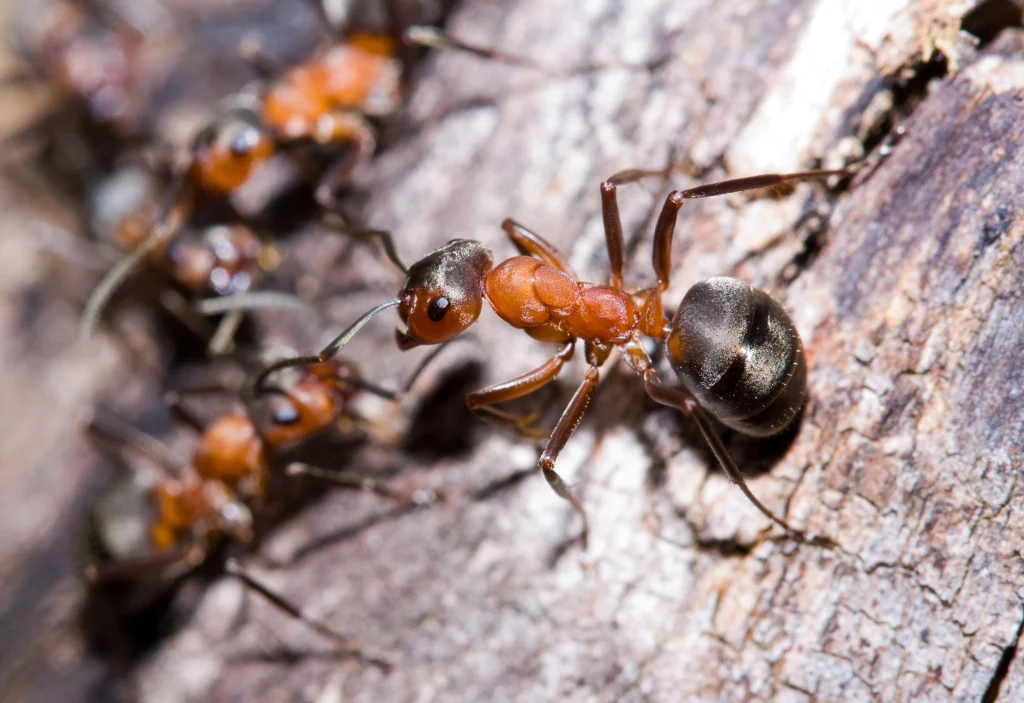
One of the most destructive ant species in New York. Carpenter ants tunnel through moist or damaged wood to build nests, causing significant structural damage over time. Typically large and black, most often found near windows, doors, and water-damaged wood.
Window frames, door frames, damaged woodNamed for the rotten coconut smell released when crushed. Among the most common indoor ant pests, nesting in wall voids, under floors, and near heaters. Capable of establishing multiple satellite colonies throughout a structure.
Wall voids, under floors, near heat sourcesSmall dark ants that nest under sidewalks, driveways, and building foundations, then enter homes through cracks in the slab. Commonly found foraging in kitchens and bathrooms for food and moisture.
Slab cracks, kitchens, bathroomsAggressive stingers that can trigger allergic reactions. They build large mounds near foundations, lawns, and landscaping. When disturbed, they swarm and sting rapidly, making DIY removal genuinely dangerous.
Soil mounds, lawns, foundation perimetersTiny light-yellow ants notorious for being extremely difficult to eliminate. They form multiple interconnected colonies with many queens and will scatter and recolonise if treated incorrectly. Standard spraying makes infestations worse.
Wall voids, hospitals, multi-unit buildingsNamed for raising their abdomen over their head when disturbed. They nest in moist wood, foam insulation, and wall voids, and can strip insulation from electrical wiring, creating a secondary hazard beyond the infestation itself.
Wall voids, foam insulation, utility entry pointsYellow, citrus-scented ants frequently mistaken for termites because they swarm. They nest deep in soil near foundations and under slabs, feeding on honeydew from root-feeding insects. Indoor swarms are the most common sign of presence.
Deep soil, foundations, under slabsSmall but persistent, nesting in woodwork, wall voids, and under carpeting. They forage aggressively for sweets and grease and can contaminate food quickly. Colonies are typically small but multiply fast when conditions are favourable.
Woodwork, wall voids, under carpetingNo guesswork. No generic spraying. A documented, four-stage protocol that addresses the root cause.
Our technician performs a thorough inspection of your property to locate trails, entry points, nesting sites, and contributing conditions inside and out.
Correct identification is critical. Treatment methods vary significantly between carpenter ants, fire ants, pharaoh ants, and other species. We never guess.
We apply professional-grade baits, liquid treatments, and non-repellent products designed to penetrate deep into the colony, reaching workers, queens, and satellite nests.
We provide a customized prevention checklist and schedule follow-up visits as needed to ensure complete elimination and long-term protection.
We have been cleaning areas for over ten years, successful in various projects.
There's no shortage of pest companies. Here's what separates us from a generic spray-and-go visit.
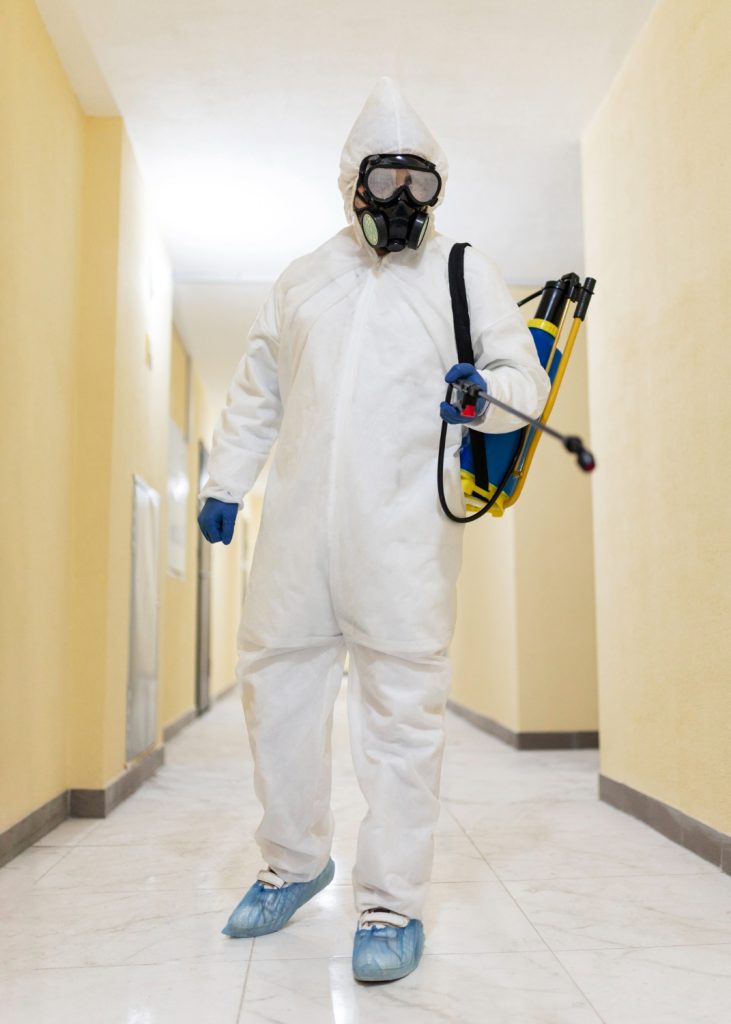
Every Best Island Pest technician is fully insured. You are completely protected on every residential and commercial treatment we perform across NYC and Long Island.
NYC-licensed and state-certified, meeting all DEC and DOH regulatory requirements for residential and commercial pest control across all five boroughs.
We use only EPA-registered, professional-grade pest control products that are proven effective against NYC pest species and safe for use in residential homes, apartments, and commercial spaces
Beyond the first treatment, we offer scheduled follow-up visits and annual protection plans, keeping your NYC home or business pest-free all year round.
Our pricing is transparent and competitive. We provide honest, upfront quotes for every NYC pest control job with no hidden charges or surprise fees at the end.
Every job starts with a free inspection. We identify the pest species, locate the entry points, and map the full extent of the infestation, before a single treatment begins.
Best Island Pest Providing ant control services, extermination, and prevention across all five NYC boroughs and Long Island. Same-day service available in most areas. Don’t see your neighborhood? Call us – we likely cover it.
Prevention is the most cost-effective ant control strategy. Between professional treatments, these habits make a real difference.
Real feedback from homeowners and renters across NYC and Long Island who trusted Best Island Pest with their pest problems.
Carpenter ants are larger (typically ¼ to ½ inch), often black or dark red, and are found near moist or damaged wood. Unlike termites, they don’t eat wood, they excavate it to build galleries. If you see sawdust-like shavings near wood structures, carpenter ants are likely the cause.
Yes. We offer family- and pet-safe treatment options. Our technician will advise you on any brief entry restrictions after treatment based on the products used.
Most residential treatments are completed within 60 to 90 minutes, depending on the size of the property and severity of the infestation.
For minor infestations, one treatment is often sufficient. For established colonies or recurring problems, we recommend a follow-up visit 2–4 weeks later to ensure the colony has been fully eliminated.
In most cases, no. However, we may recommend briefly vacating treated rooms while products dry. Your technician will walk you through exactly what to expect before starting.
With proper treatment and prevention, recurrence is unlikely. If ants do return between scheduled services, we’ll come back at no additional charge as part of our satisfaction guarantee.
Ants are most active from spring through early fall, but carpenter ants and some other species remain active year-round indoors. We recommend treating before peak season in spring for best results.
Don’t wait for a small ant problem to become a full-scale infestation. Our licensed technicians are ready to inspect your property and deliver a treatment plan that works.


