
Termites cause over $5 billion in property damage every year, and most homeowners don’t even know they have an infestation until it’s too late. Our licensed termite specialists use advanced detection and treatment methods to eliminate colonies at the source and protect your home for good across Staten Island, Queens, Brooklyn, Manhattan, The Bronx, Nassau & Suffolk County.
NYC Pest Control Services
All 5 boroughs + Long Island covered
New York's climate, with humid summers and densely packed urban housing, creates the perfect storm for termite activity. Whether you own a Long Island ranch home, a Queens row house, or a Brooklyn brownstone, understanding what's attracting termites is the first step to protecting your property.
Moisture & Water Damage
Termites thrive in damp environments. Leaky pipes, poor drainage, and high humidity in crawl spaces or basements create ideal conditions for termite colonies.
When wooden structures, like deck posts, door frames, or fence boards, make direct contact with soil, they serve as a direct entry point for ground-nesting termites.
Cracks in Your Foundation
Even hairline cracks in your home's foundation give subterranean termites the access they need. They build mud tubes through these openings to reach your wood framing.
Stored Firewood or Mulch Nearby
Piles of firewood, lumber, or mulch stored close to your home provide shelter and food, making your property far more attractive to swarming termites looking to establish a new colony.
Previous or Untreated Infestations
Termite colonies can remain active in your home for years undetected. Without professional treatment, a previous infestation often re-establishes in the same or nearby locations.
Older homes built with untreated wood are significantly more vulnerable to termite damage. Aging structural beams and wood joists give termites easy access and abundant food sources.
Termites are silent destroyers, here are the warning signs you should never ignore.
Tap on walls, floors, or wooden beams. If they sound hollow, termites may have eaten through the wood from the inside out.
Subterranean termites build pencil-sized mud tubes along walls, pipes, or your foundation to travel between their colony and food sources.
After swarmers (flying termites) find a new nesting site, they shed their wings. Finding piles of small wings near windowsills or entry points is a strong sign of a new colony.
Paint that bubbles, peels, or appears uneven on wood surfaces, even without water damage, can indicate termites feeding beneath the surface.
Drywood termites push their droppings out of their tunnels. Small piles of dark powder or pellets near wood are a telltale sign of drywood termite activity.
Termite damage causes wood to warp and swell. Doors or windows that suddenly become difficult to open or close may indicate active termite damage in your frames.
Not all termites behave the same way. Our team is trained to identify and eliminate every species found in the region.
The most destructive species in North America. They live underground and build elaborate mud tube networks to access wooden structures. Responsible for the majority of termite damage nationwide.
Unlike subterranean termites, drywood termites live entirely within the wood they consume. They don't require soil contact and are commonly found in attic wood, furniture, and hardwood floors.
Attracted to wood with high moisture content, dampwood termites are commonly found in decaying wood, leaky areas, and coastal regions. Fixing moisture problems is critical to preventing re-infestation.
Known as the "super termite," Formosan colonies can contain millions of workers and cause structural damage faster than any other species. They are extremely difficult to control without professional treatment.
An invasive species that spreads rapidly through ground foraging rather than mud tubes. They build distinctive hard, dark-colored nests and can colonize large areas of your yard and home quickly.
Common in arid and semi-arid regions, desert termites attack dead plant material and wooden structures above and below ground. They are most active after monsoon season.
Found primarily in coastal and high-humidity areas, this large species infests very moist wood. They often indicate a more serious underlying moisture problem in your home.
A secondary subterranean species found in the Southeast U.S. that infests wood already compromised by fungus or other termites. Often overlooked but significant in combined infestations.
We don't just treat the surface, we eliminate the entire colony and protect your home from future infestations.
Our certified termite inspector examines your entire property, foundation, crawl spaces, attic, and all wood structures, using moisture meters and termite detection tools to map out every active area and risk zone.
We identify the termite species and the extent of the infestation, then design a customized treatment plan. We’ll walk you through every option, from liquid soil treatments to baiting systems, so you know exactly what to expect.
We eliminate termite colonies using targeted treatments and then assess any damage caused by the infestation. You’ll receive a detailed report and repair recommendations where necessary.
We install ongoing monitoring stations around your property and schedule follow-up visits to ensure the colony has been fully eliminated. Our warranty-backed prevention plans give you year-round protection.
We have been cleaning areas for over ten years, successful in various projects.
There are dozens of pest control companies, here's why homeowners and businesses across New York trust Best Island Pest for termite protection.
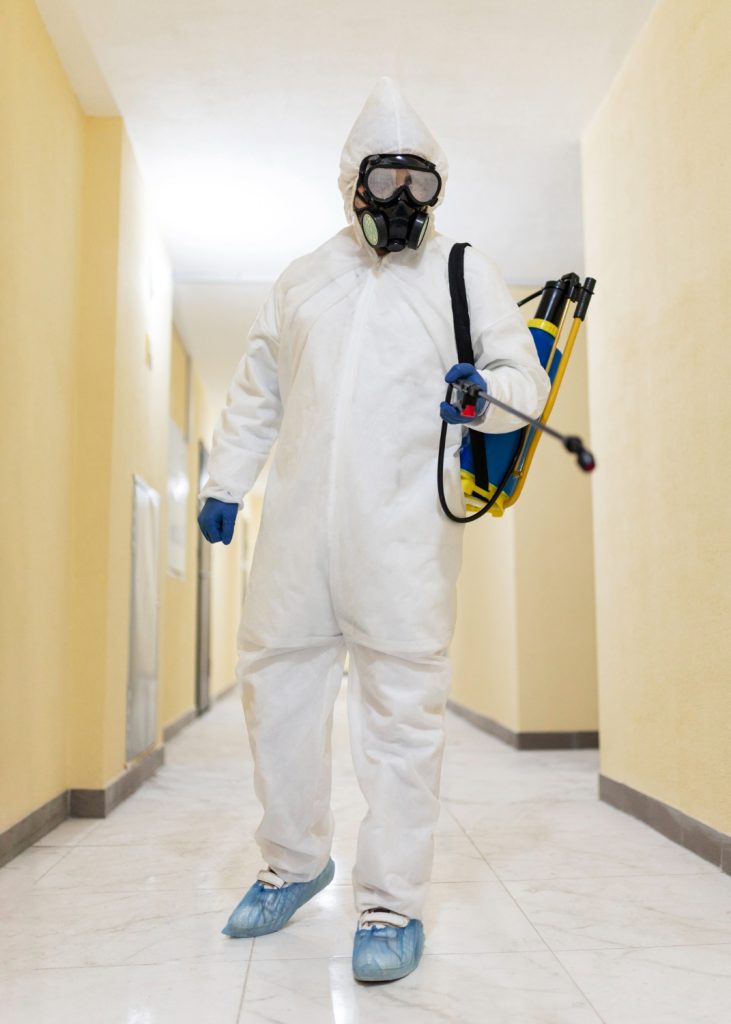
Every Best Island Pest technician is fully insured. You are completely protected on every residential and commercial treatment we perform across NYC and Long Island.
NYC-licensed and state-certified, meeting all DEC and DOH regulatory requirements for residential and commercial pest control across all five boroughs.
We use only EPA-registered, professional-grade pest control products that are proven effective against NYC pest species and safe for use in residential homes, apartments, and commercial spaces
Beyond the first treatment, we offer scheduled follow-up visits and annual protection plans, keeping your NYC home or business pest-free all year round.
Our pricing is transparent and competitive. We provide honest, upfront quotes for every NYC pest control job with no hidden charges or surprise fees at the end.
Every job starts with a free inspection. We identify the pest species, locate the entry points, and map the full extent of the infestation, before a single treatment begins.
Best Island Pest provides professional termite inspection, treatment, and prevention services across all five NYC boroughs and Long Island. Same-day service is available in most areas. Don’t see your neighborhood listed? Give us a call, we likely service your area and can help protect your property from costly termite damage.
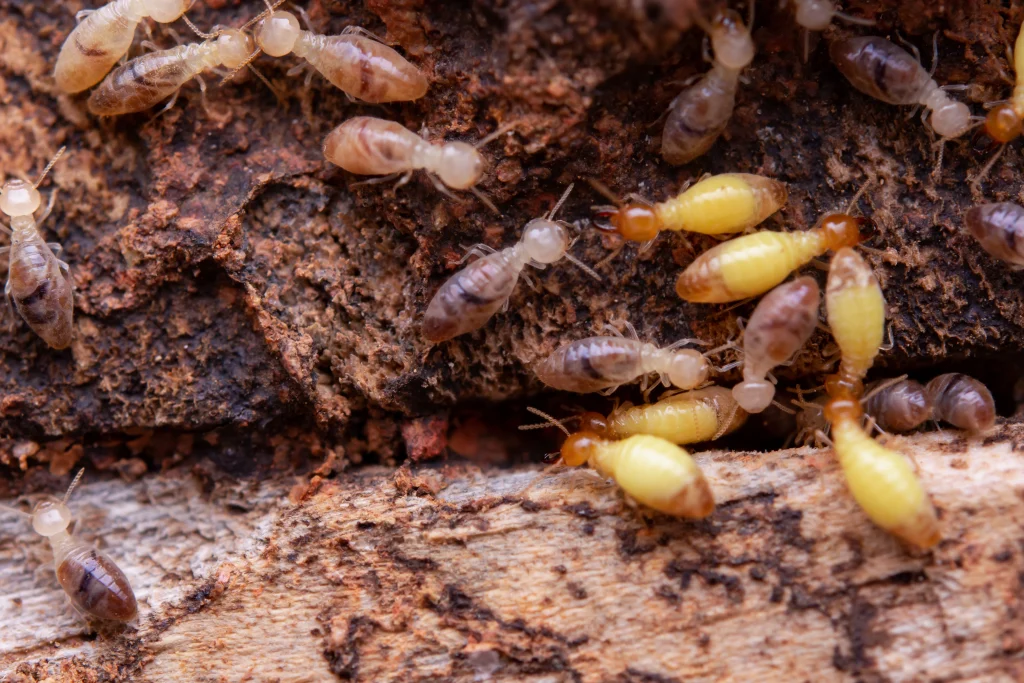
Prevention is the most cost-effective form of termite control. Here's what every homeowner needs to know. Termite damage is not covered by most homeowners insurance policies, which makes prevention absolutely critical. A single subterranean termite colony can contain hundreds of thousands of workers capable of consuming a pound of wood per day. Over months and years, this silent destruction can compromise the structural integrity of your home.
The most important prevention steps include:
Our licensed inspectors can assess your property’s risk factors and recommend a prevention plan tailored to your home’s age, construction type, and local termite pressure.
Real feedback from homeowners and renters across NYC and Long Island who trusted Best Island Pest with their pest problems.
Flying termites (swarmers) are often confused with flying ants, but there are key differences: termites have straight antennae, equal-length wings, and a thick waist, while ants have bent antennae, unequal wings, and a pinched waist. If you’re unsure, a free professional inspection will give you a definitive answer.
The duration depends on the treatment type and the extent of the infestation. A liquid soil barrier treatment typically takes 1–2 hours for an average home. Bait station installation takes about an hour. Fumigation (tenting) requires 2–3 days including aeration. We’ll give you a clear timeline before any work begins.
Yes. We offer eco-friendly, low-toxicity treatment options that are safe for families and pets when applied correctly. Our technicians follow all safety protocols and will provide specific re-entry guidelines based on the treatment used.
With proper treatment and preventative measures, the active colony will be eliminated. However, because termites are constantly active in the soil around your home, re-infestation is possible over time. Our annual monitoring plans and warranty-backed treatments provide ongoing protection against new colonies.
In most cases, no. Standard homeowners insurance policies exclude termite damage because it is considered a preventable maintenance issue. This is exactly why regular professional inspections and prevention plans are so important, catching an infestation early is far less costly than structural repairs.
Cost depends on your home’s size, the species involved, and the severity of the infestation. Most residential treatments range from $300 to $1,500, with annual monitoring plans starting at $99/year. We provide free, no-obligation inspections and written quotes before any treatment begins.
Termite swarm season in New York typically runs from March through June, peaking in warm, humid weather following rain. However, subterranean termites remain active year-round inside your home’s warm interior, which is why year-round monitoring is recommended.
Don’t wait until you see the damage, termites work silently and fast. Schedule your free inspection today and get a same-day quote from Long Island’s most trusted termite specialists.


