

Bed bugs are among the most difficult pests to eliminate, they hide in mattresses, walls, and furniture, reproduce rapidly, and survive months without feeding. Best Island Pest delivers proven bed bug treatments for New York homes, apartments, and businesses so you can sleep soundly again.
NYC Pest Control Services
All 5 boroughs + Long Island covered
Bed bugs don’t appear without a reason. These common signs often indicate an active infestation that needs prompt attention.
Recent Travel
Hotels, Airbnbs, and short-term rentals are among the most common sources of bed bug infestations. A single bag set on an infested surface is enough to bring bed bugs home, they cling to luggage, clothing, and personal items.
Second-hand mattresses, sofas, and upholstered furniture are a leading entry point. Bed bugs can survive for months without a host inside used items, only becoming active once they detect warmth and carbon dioxide.
Multi-Unit Buildings
In apartments, condos, and hotels, bed bugs travel easily between units through wall voids, electrical conduit, and shared plumbing. Even a fastidiously clean unit can become infested via neighbors.
Guests, contractors, or anyone who has recently visited an infested space can unknowingly carry bed bugs in bags or clothing. Schools, laundromats, public transit, and office spaces are also documented transfer points.
Bed bugs don't appear without a reason. These early warning signs can help you identify an infestation before it spreads throughout your home.
Small, red, itchy welts appearing overnight, particularly in clusters or a line pattern on exposed skin, are a classic early sign. Bed bug bites are often confused with mosquito or flea bites, making professional identification important.
Small reddish-brown spots on sheets, pillowcases, or mattress seams are left when bed bugs are crushed or leave fecal deposits. These stains are one of the most reliable visual indicators of an active infestation.
Bed bug excrement appears as small, dark ink-like spots, often found along mattress seams, box spring edges, behind headboards, and along baseboards near sleeping areas.
Adult bed bugs are visible to the naked eye, approximately the size of an apple seed, flat, and reddish-brown. Finding live bugs, shed exoskeletons, or tiny pale eggs in mattress folds or furniture joints confirms infestation.
Large bed bug infestations can produce a distinctive sweet, musty scent, sometimes described as overripe berries, caused by pheromones released by the bugs. This odor is typically noticeable in heavily infested rooms.
When multiple people in the same home wake up with unexplained bites in similar patterns, particularly around the neck, arms, or legs, a shared bed bug infestation is the most likely cause and requires immediate inspection.
Accurate identification shapes every treatment decision. From resistant populations to structural spread and look-alike species, our approach starts with knowing exactly what you're dealing with.
Cimex lectularius
The most prevalent species in New York and across North America. Feeds exclusively on human blood and can survive up to a year without feeding under cool conditions.
Mattresses, bed frames, sleeping areasCimex hemipterus
Increasingly detected in NYC buildings with international travellers. Nearly identical in behaviour to the common bed bug but requires warmer temperatures to thrive.
Urban buildings, hotels, transit hubsNewly hatched larvae
Translucent and only 1–1.5mm in length, nymphs are nearly invisible without magnification. Overlooked populations are the leading cause of re-infestation after treatment.
Seams, tufts, hidden harborage pointsPyrethroid-resistant strains
Decades of chemical-only treatment have produced resistant colonies across NYC. We identify these populations and deploy heat treatment or multi-method protocols accordingly.
Buildings with repeat infestation historyWall voids & hidden harborage
Bed bugs that migrate into wall voids, electrical outlets, baseboards, and flooring gaps require treatment approaches well beyond surface-level spraying.
Wall voids, outlets, baseboards, flooringCross-wall populations
In apartment buildings, bed bugs often spread horizontally across units. We treat affected units and provide containment protocols for neighbouring units.
Apartment buildings, multi-family housingCimex adjunctus
Closely related to bed bugs and frequently misidentified. Infest homes with bat colonies in attics or wall spaces. Correct species identification determines the right treatment approach.
Attics, wall spaces, bat roost areasOeciacus vicarius
Infiltrate homes where swallows nest on or near the structure. Often mistaken for bed bugs, species confirmation is required before any treatment begins.
Eaves, roof lines, swallow nesting sitesNo guesswork. No generic spraying. A documented, four-stage protocol that addresses the root cause.
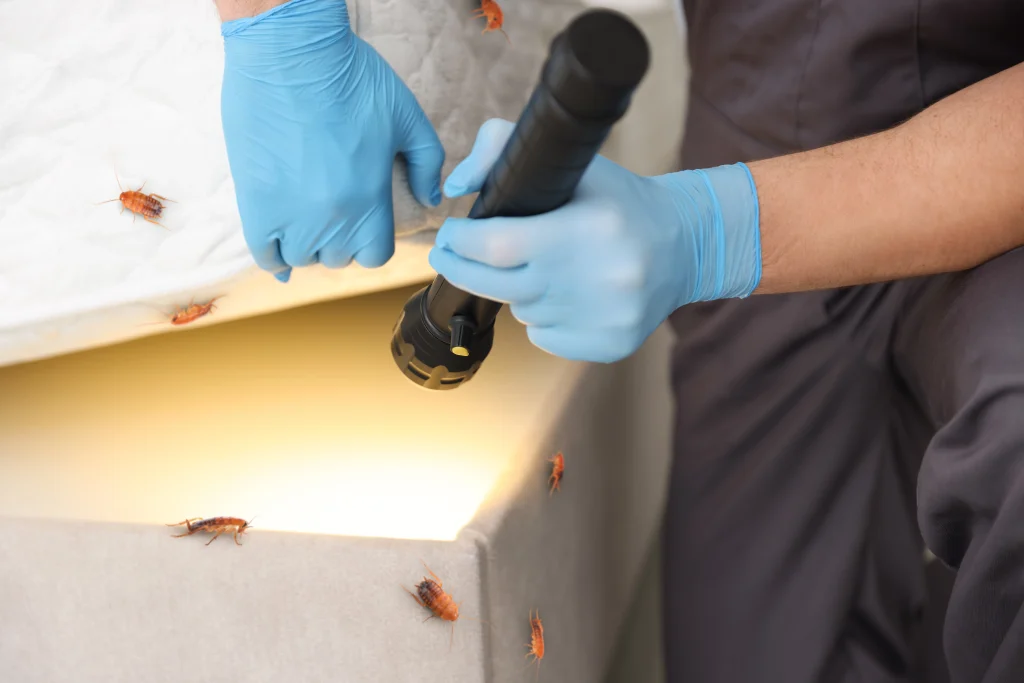
Our licensed technicians conduct a detailed inspection of all sleeping areas, furniture, baseboards, wall voids, and adjacent spaces. We use flashlights, probes, and where needed, encasement checks to locate all active harborage points before recommending a treatment approach.
Based on the severity of infestation, property type, and resident needs, we recommend the most effective approach, heat treatment, chemical treatment, or a combined protocol. We explain all options clearly before beginning.
For heat treatment, we raise the entire affected space to 120°F+ for several hours, a temperature lethal to bed bugs at all life stages, including eggs. For chemical treatment, we apply EPA-registered residual insecticides to all harborage points, seams, voids, and baseboards with a follow-up visit included.
We conduct a follow-up inspection after treatment to confirm elimination, check for any surviving activity, and provide a written prevention plan covering mattress encasements, clutter reduction, and travel protocols to prevent re-infestation.
We have been cleaning areas for over ten years, successful in various projects.
There's no shortage of pest companies. Here's what separates us from a generic spray-and-go visit.
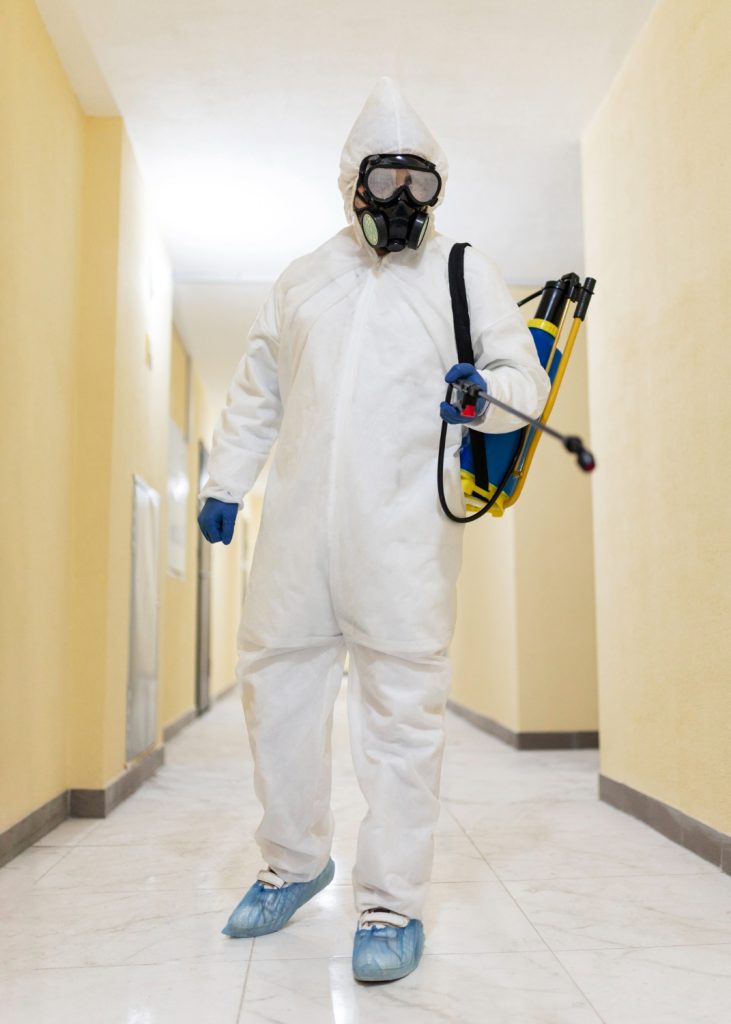
Every Best Island Pest technician is fully insured. You are completely protected on every residential and commercial treatment we perform across NYC and Long Island.
NYC-licensed and state-certified, meeting all DEC and DOH regulatory requirements for residential and commercial pest control across all five boroughs.
We use only EPA-registered, professional-grade pest control products that are proven effective against NYC pest species and safe for use in residential homes, apartments, and commercial spaces
Beyond the first treatment, we offer scheduled follow-up visits and annual protection plans, keeping your NYC home or business pest-free all year round.
Our pricing is transparent and competitive. We provide honest, upfront quotes for every NYC pest control job with no hidden charges or surprise fees at the end.
Every job starts with a free inspection. We identify the pest species, locate the entry points, and map the full extent of the infestation, before a single treatment begins.
Best Island Pest provides professional bed bug inspection, treatment, and prevention services across all five NYC boroughs and Long Island. Same-day service is available in most areas. Don’t see your neighborhood? Call us – we likely cover it.
Preventing a bed bug infestation is far easier, and far less costly, than treating one. Most infestations are traceable to a specific event or item. The following precautions dramatically reduce your exposure risk.
Real feedback from homeowners and renters across NYC and Long Island who trusted Best Island Pest with their pest problems.
Bed bug bites often appear in clusters or a line pattern on exposed skin, but bites alone are not a reliable identifier. The most accurate way to confirm bed bugs is a professional inspection, our technicians look for live bugs, shed skins, fecal deposits, and eggs rather than relying on bites alone.
Heat treatment involves raising the temperature of the entire affected space to 120–135°F using commercial-grade heating equipment. At this temperature, bed bugs and their eggs are killed at all life stages regardless of where they are hiding, including inside walls, furniture, and mattresses, without chemical residue.
Yes. For heat treatment, residents, pets, and any heat-sensitive items (candles, aerosols, houseplants, medications) must be removed for the duration of the treatment, typically 6–8 hours. For chemical treatment, you may need to be out for 4 hours. We provide a full preparation checklist in advance.
A complete treatment eliminates all existing bugs and eggs. Re-infestation happens when new bugs are introduced, through travel, visitors, or used items, not because surviving bugs remained. Our prevention plan and follow-up inspection are specifically designed to minimize this risk.
A standard residential heat treatment takes 6–8 hours from setup to completion. Chemical treatments take 2–3 hours per unit with a follow-up visit 2 weeks later. Multi-unit building treatments are scheduled on a case-by-case basis depending on scope.
Landlord responsibility for bed bug treatment in New York is governed by the Housing Maintenance Code, in most cases, landlords in multi-unit buildings are legally responsible for extermination. We can provide detailed service documentation to support insurance or landlord reimbursement claims.
Professional bed bug inspections and treatments for New York homes, apartments, and businesses, discreet, thorough, and guaranteed.


